Turning aquaculture waste into circular solutions
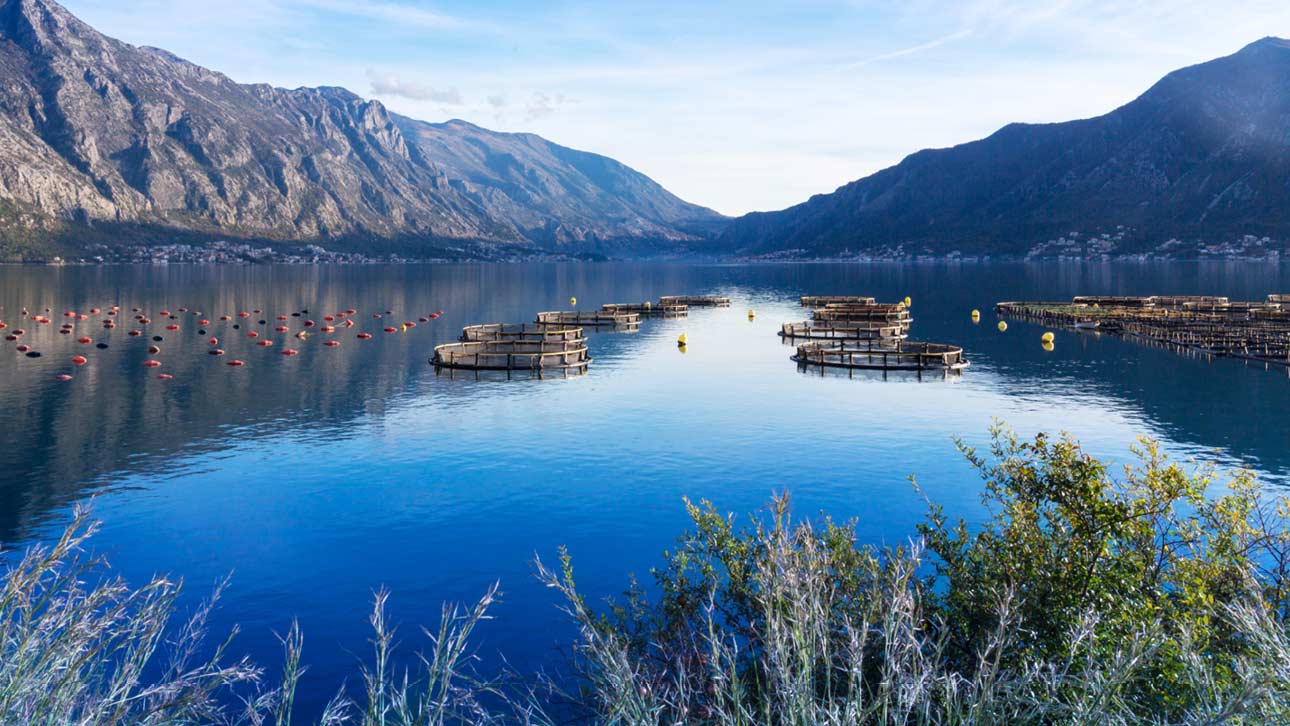
In the deep waters of Norway’s Hardangerfjord, one of Europe’s largest salmon farming regions, a revolution is underway. Among the floating fish pens, new technology is tackling a growing environmental challenge: fish sludge. This nutrient-rich waste, made up of excess feed and faecal matter, has long been a pollutant in marine ecosystems. Now, thanks to the EU-funded AQUAPHOENIX project, it’s being transformed into a valuable resource.
09 Dec 2025From waste to resource
AQUAPHOENIX, launched under the Horizon Europe program, brings together fish farmers, researchers, and industry leaders to create a circular solution for aquaculture waste. EasyMining, a key partner in the initiative, is developing technologies to recover essential nutrients—phosphorus and nitrogen—from fish sludge. These nutrients, once pollutants, will soon become high-quality fertilisers for agriculture.
How it works?
The process begins with innovative sludge collection systems installed in fish farms across Norway and Finland. Instead of releasing waste into the fjords, these systems capture and store it for treatment. In the AQUAPHOENIX project, EasyMining will evaluate and potentially adapt its processes for recovering phosphorus and nitrogen from waste streams so they are suitable for fish sludge. EasyMining’s role will be central once the sludge reaches its facilities in Europe, where advanced processes extract phosphorus from the ash of incinerated fish sludge and nitrogen from the liquid parts of aquaculture wastewater. The result? Safe, efficient nutrient products that meet strict quality standards.
Why is this important?
Aquaculture is the fastest-growing food sector globally, but its environmental footprint is significant. By recycling nutrients from fish sludge, AQUAPHOENIX reduces marine pollution, cuts dependency on virgin resources, and supports Europe’s transition to a circular economy. This project aligns perfectly with both EasyMining and Ragn-Sells, mission: turning waste into value.
Discover more about AQUAPHOENIX and EasyMining’s role in shaping the future of aquaculture in the full story on EasyMining.com.