Solvents – more than just hazardous waste
Solvents are something we all come into contact with, even if we don’t always realise it. They’re found in everything from paint and glue to cleaning products and medicines. They help dissolve, mix, and clean various substances – in short, they make it possible to manufacture and use many of the products we rely on.
26 Aug 2025But there’s a downside. Many solvents are made from fossil-based raw materials and contain chemicals that can be harmful to both the environment and human health if not handled properly. What’s more, they’re often used just once before being incinerated. But it doesn’t have to be that way.
What’s the problem?
Once used, solvents are often classified as hazardous waste. They may contain contaminants and chemicals that pose risks to people and the environment. Many solvents are also volatile, meaning they evaporate easily and can release harmful gases into the air.
Historically, most used solvents have been sent for incineration, where they’re converted into energy. While energy recovery can be a useful solution, it’s also a waste of resources. Producing new solvents from fossil raw materials requires a lot of energy, and incineration releases carbon dioxide and other harmful substances.
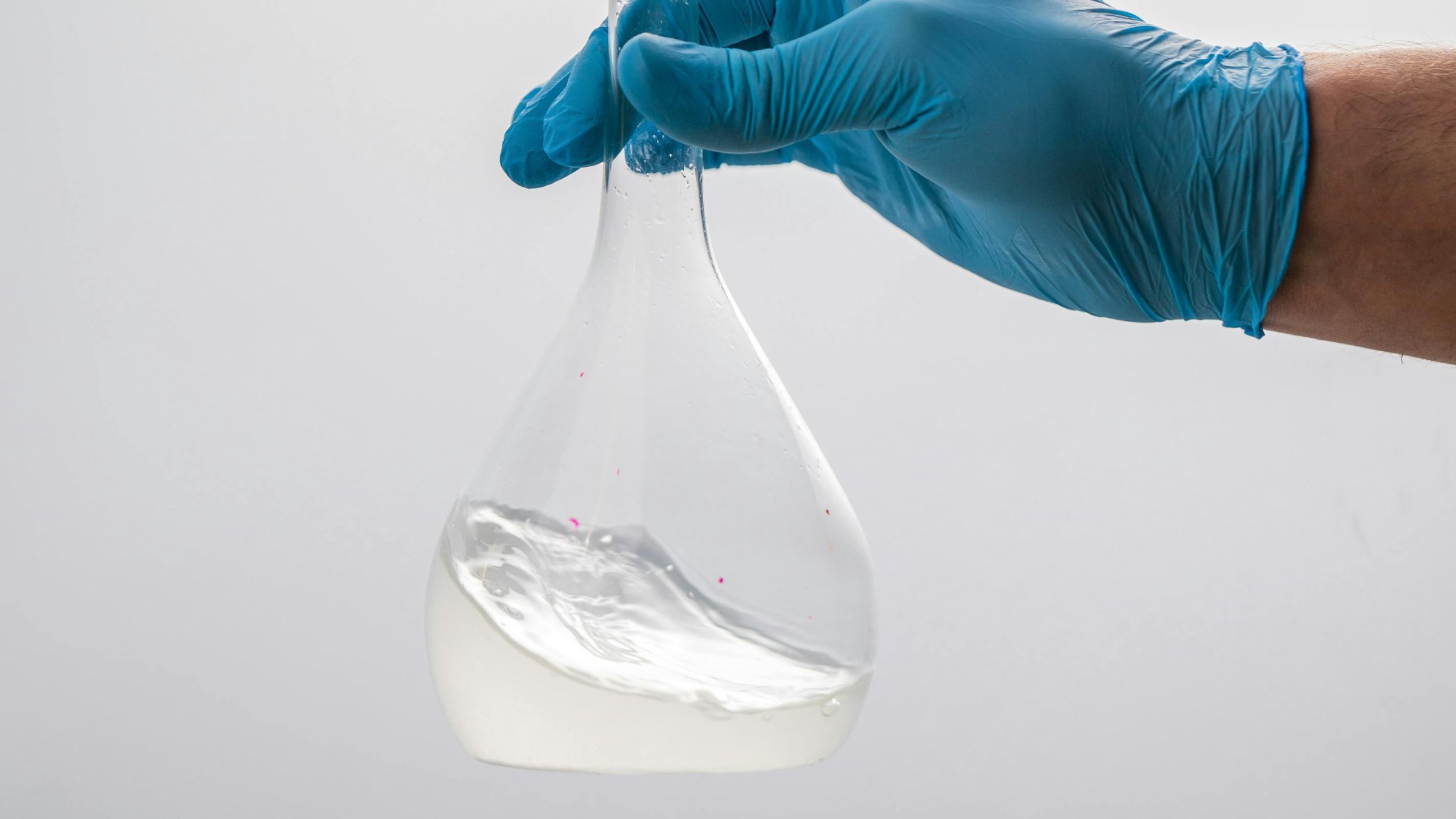
Recycling – A sustainable solution
Fortunately, there’s a better alternative – recycling. By purifying and reusing solvents, we can reduce environmental impact and the need to produce new chemicals. In fact, carbon dioxide emissions can be reduced by up to 87 percent when solvents are recycled instead being produced from fossil virgin raw materials!*
How does it work?
Solvent recycling involves separating contaminants and unwanted substances from the usable liquid. Through distillation and purification, solvents can regain their original quality and be reused again and again.
- Collection – Used solvents are collected from industries and businesses.
- Purification and distillation – By heating the liquid, impurities are separated from the usable solvent.
- Quality control – The purified solvent is tested to ensure it meets the same high standards as newly produced products.
This spring, we’re opening a new treatment facility for solvents in Högbytorp, just outside Stockholm, with a capacity of over 20,000 tonnes of solvent per year. This will allow us to continue our work to reduce climate emissions, conserve the planet’s resources, and create an even more circular future.
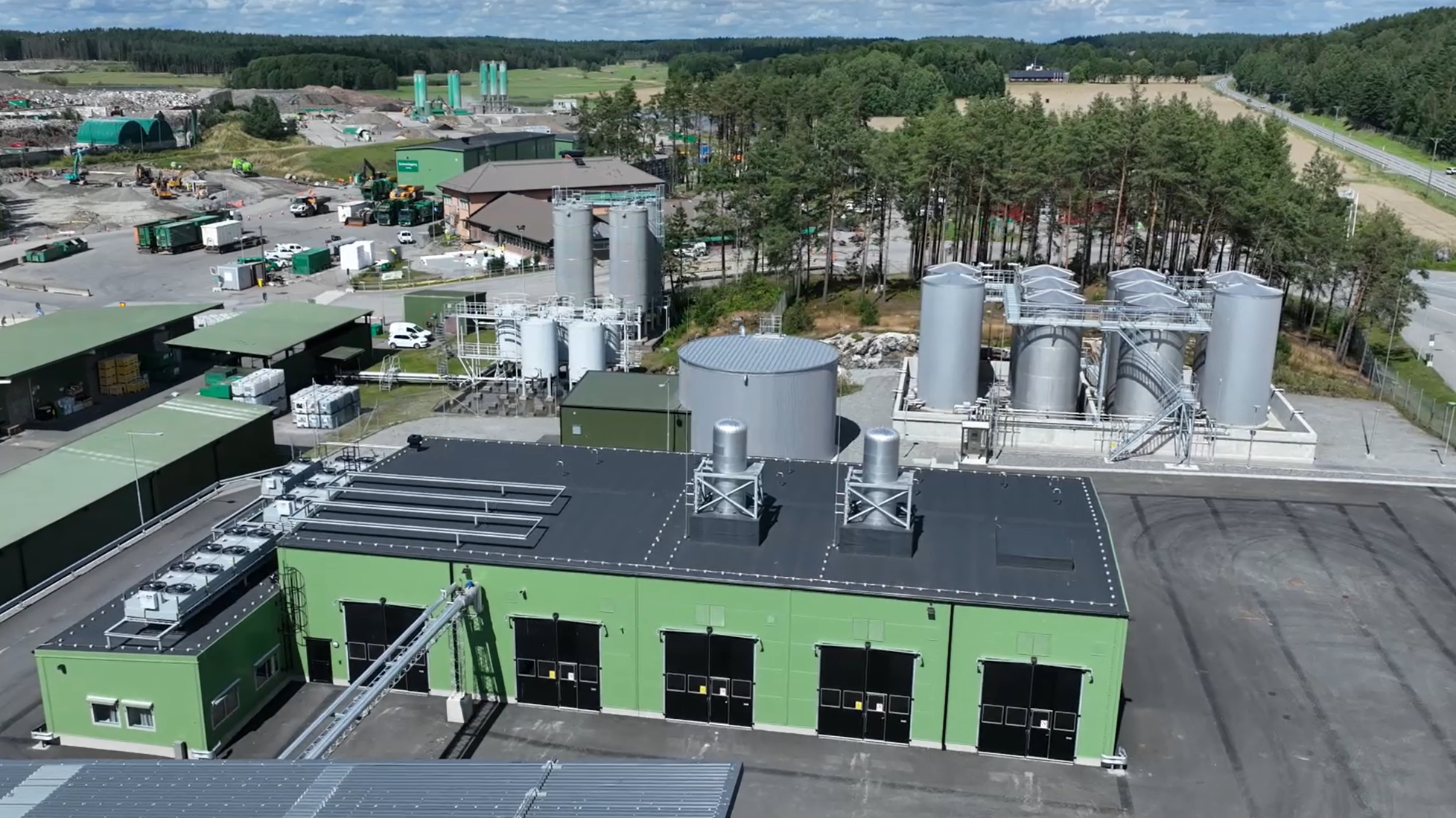
Photo: SRS - Ragn-Sells facility for recycling of solvents at Högbytorp.
*Based on a comparative climate analysis with a life cycle perspective of recycled and fossil virgin solvent. The analysis has been reviewed by an independent party.