Ragn-Sells’ view on innovation as a driving force for a circular society
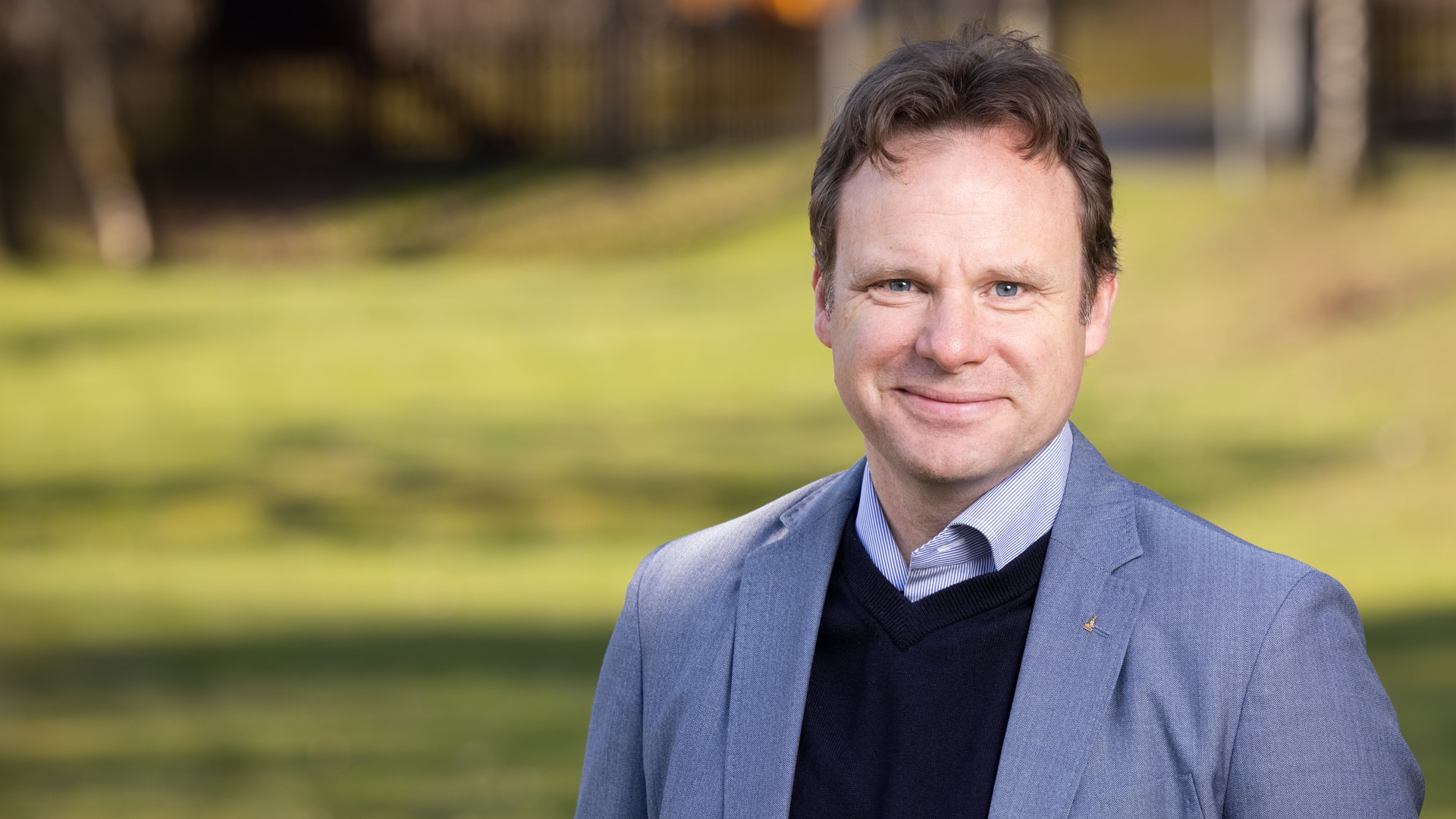
In a world where 93% of the global economy is still linear, innovation is not just a buzzword, it’s a necessity. For Anders Kihl, Chief Strategy Officer and R&D Director at Ragn-Sells, innovation is about solving real-world problems in new and better ways. In a reflective interview, he shares his perspective on innovation, its role in the circular society of the future, and how Ragn-Sells works strategically to create sustainable change.
19 Nov 2025“We continue to extract, produce, and consume at a pace that is in conflict with the planet’s boundaries. To me, it’s obvious that something major has got to give. Innovation is no longer an option; it’s a matter of survival. The key to innovation though is figuring out the right problem and understanding it thoroughly. Once you know what truly needs solving, it becomes much easier to find a way forward,” says Anders Kihl.
He frequently emphasizes the same point: innovation is not about making minor cosmetic tweaks or improvements to a broken system, but it is about taking bold steps to get to the roots of a problem and address fundamental issues. At the same time, he highlights the important distinction between innovation, research, and invention.
“Innovation is broader than invention, which is often linked to a patent. Innovation is about finding new ways to do things and solve problems, even without patents. Research, in turn, aims to increase knowledge and is a prerequisite for both inventions and innovations. It’s only when we truly understand the problem that we can create solutions that generate real value.”
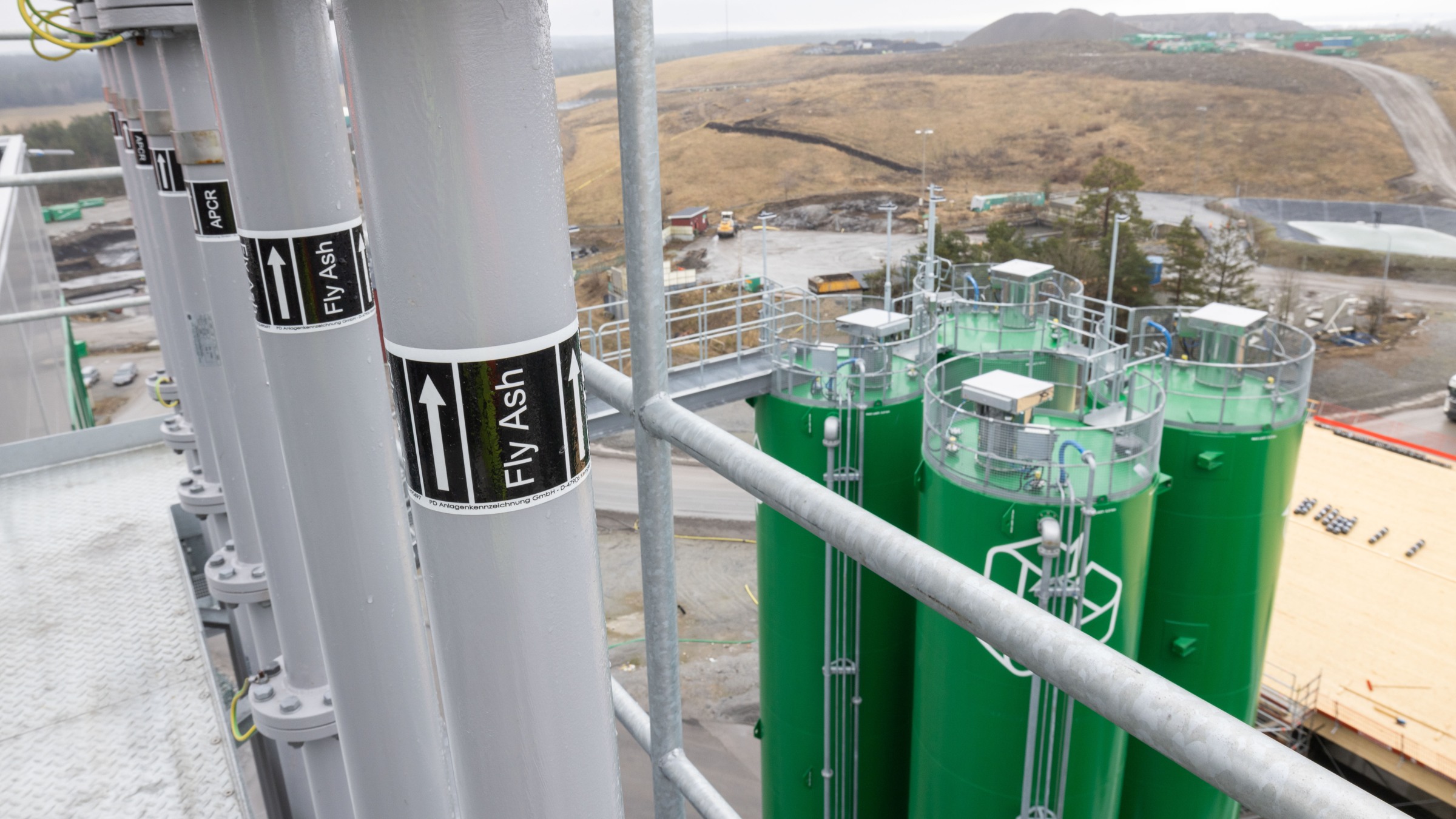
One example of this is how Ragn-Sells has tackled the challenge of fly ash, a by-product from combustion in power and heating plants. Fly ash is classified as hazardous waste and contains high levels of salt – a problem long considered unsolvable, but where new methods have paved the way for genuine value creation and continue to do so.
“To build a circular society, it’s not enough to polish the linear machinery. The system must be reengineered from the ground up. It’s not enough to fine-tune the old. We need solutions that are actually better than the linear ones, that is, new ways to produce goods and services that make circularity the obvious choice,” he explains.
When asked how Ragn-Sells drives innovation in practice, Anders describes a distinct analytical process, one that takes time and examines a wide range of areas. It’s the same process used in 2024 to select four innovation areas based on a combination of three factors: the potential to reduce carbon emissions, the scalability of solutions within the group, and the growing political and regulatory pressure that makes new paths necessary.
“After systematic analyses, we’ve identified these areas where the conditions and future prospects are strongest. The selection is based on what we already receive in our material flows, the potential to save carbon emissions, scalability within the group, and the political pressure driving new solutions,” he says.
He explains that the focus is on:
- The construction sector, which currently consumes vast amounts of virgin resources and has huge potential for scalable solutions that can make a big difference.
- Organic waste, which can become chemicals, proteins, and feed instead of just compost and biogas.
- Metals and minerals, where recycling is one of the most effective ways to reduce emissions.
- Plastic in waste fuel, where new technology to extract plastic from fuel flows can reduce emissions by hundreds of thousands of tonnes of CO₂.
At the same time, innovation must be about more than technical breakthroughs. For innovation to create real value, it also requires responsibility and honesty. At Ragn-Sells, the principles are clear: detoxification and replacing virgin raw materials. This sometimes also means taking responsibility by choosing not to act, Anders explains.
“Of course, we shouldn’t recycle materials that shouldn’t be recycled. Detoxification is a central idea for Ragn-Sells, and for some material streams, meaningful recycling simply isn’t possible. One example is facade panels containing asbestos; another is unused stock of firefighting products containing banned PFAS substances. Tackling those challenges is simply a ‘mission impossible,’ and we must dare to say no.”
And when asked what kind of innovation the world needs most right now, the answer comes quickly. It’s not primarily technical solutions Anders calls for, rather policy innovation.
“Many of today’s problems stem from outdated regulatory approaches. We need entirely new policy instruments to truly move toward circularity,” says Anders.
The road ahead will be long and arduous. However, Anders doesn’t see that as a defeat. Quite the opposite.
“Innovation requires mistakes and patience. It’s much more perspiration than inspiration. It takes time, and we must dare to make mistakes and learn from them along the way. That’s how we move forward,” Anders concludes.